







Search Results for: Home Coffee Recipes

Making Boozy Coffee at Home: 10 Alcoholic Coffee Drinks with Recipes and Methods
Want to find a balance between a gentle buzz and staying clear-headed? Spiked coffee is becoming a new choice for many young people. When you're tired during the day, a hint of alcohol helps relax your nerves; after work at night, a warm alcoholic coffee soothes body and mind; and when the weather turns cold, it brings warmth from the inside out. This article compiles 10 alcoholic coffee recipes suitable for making at home, from simple convenience-store mixes to creative versions with milk foam, and to specialty cocktail coffees with a stronger alcoholic kick, covering pairings with various base spirits such as Baileys, whiskey, gin, brandy, and rum. When making them, there's no need to be rigid—just adjust the amount of alcohol to your personal preference—but be sure to drink in moderation according to your own condition, minors are prohibited from drinking alcohol, and drunk driving is strictly forbidden. At the end of the article, there is also a communication channel for Front Street Coffee (FrontStreet Coffee), making it convenient for coffee lovers to discuss further. [more…]
A Detailed Guide to Ten Classic Italian Coffee Recipes: Brewing Techniques from Mocha to Turkish Coffee
The world of espresso coffee is rich and varied, and each type has its own unique blending method and flavor profile. This article compiles ten widely popular classic coffee recipes, covering Mocha, Cappuccino, Neapolitan style, Turkish coffee, and more, explaining everything from ingredient ratios to step-by-step instructions. Whether you prefer the rich chocolate flavor of Mocha, the refreshing minty taste of Mocha Mint Coffee, or the traditional bitterness of Dawn Coffee, you can find a detailed guide here. Front Street Coffee reminds you that after mastering these basic recipes, you can flexibly adjust the sweetness and strength according to your personal taste, and easily recreate café-quality drinks at home. [more…]
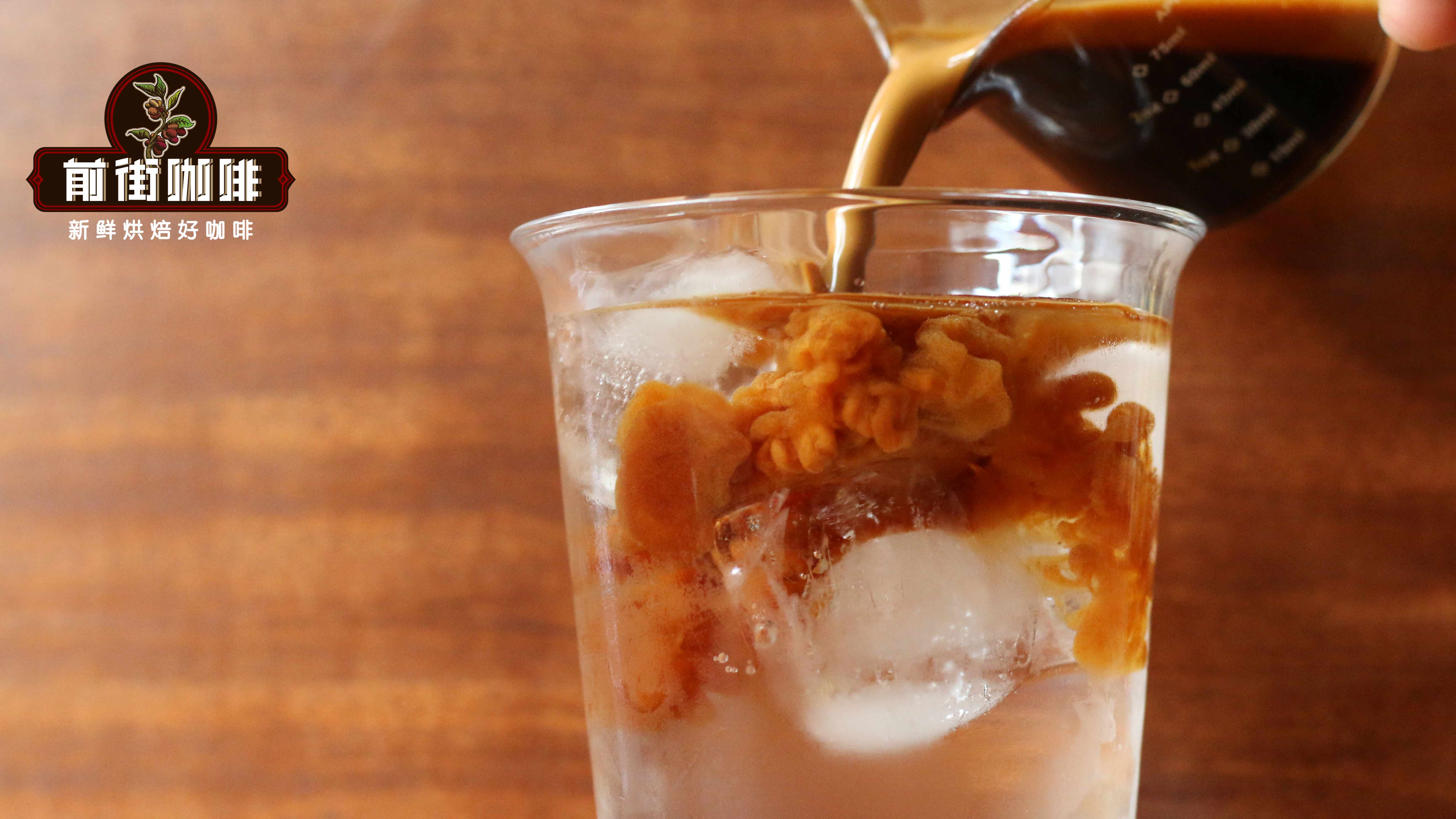
Make Starbucks Nitro Cold Brew at Home: A Detailed Guide to Nitro Cold Brew and Sparkling Black Coffee Recipes
On a scorching summer day, a glass of icy coffee always refreshes the spirit. When Starbucks introduced Nitro Cold Brew in North America years ago, its dense foam and creamy smoothness—created by infusing nitrogen—quickly won the hearts of many coffee lovers. So can this unique coffee experience be recreated at home? This article will explain in detail how to make cold brew coffee, breaking down everything from bean selection and grind ratio to the cold extraction steps, and share two practical methods for making nitro cold brew at home, so you can easily enjoy the refreshing flavor of bubbles interwoven with cold brew. [more…]

Making Osmanthus Coffee at Home in Autumn: A Detailed Guide to Three Recipes—Americano, Latte, and Caramel Crème Brûlée Latte
The autumn breeze brings refreshment, and the fragrance of osmanthus fills the air—it's once again the season best suited for incorporating osmanthus into coffee. This year, Front Street Coffee has brought a richer lineup of osmanthus coffee recipes than in previous years, including the easy-to-make osmanthus Americano and osmanthus latte, as well as the more elaborate yet stunningly layered osmanthus version of the caramel crème brûlée latte. This article will explain one by one the required ingredients, the approach to selecting coffee beans, and the detailed preparation parameters and precautions for the three beverages. It will also address common questions such as whether osmanthus can be placed directly into the coffee machine for extraction and how to prevent osmanthus from turning bitter. Whether you prefer a refreshing, sugar-free Americano or are devoted to a rich, creamy latte, you'll be able to find the cup that suits you to recreate at home. [more…]
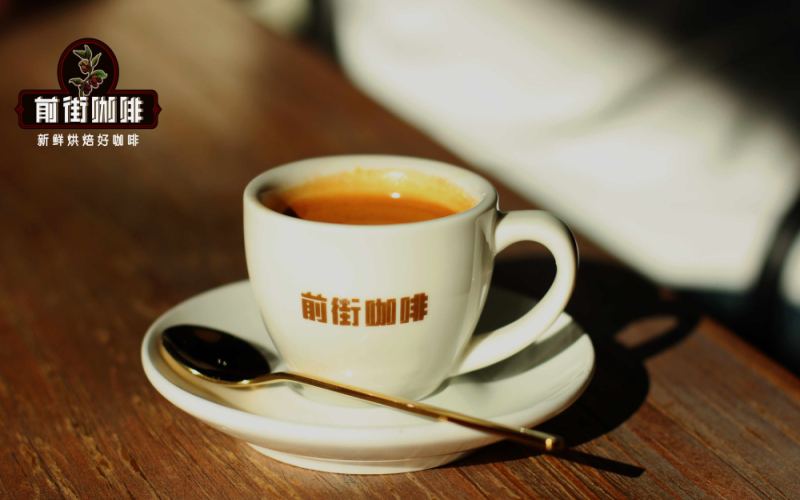
Why Does Espresso Need a Blend? A Complete Guide to Choosing Beans for Café and Home Espresso Recipes
To make an espresso with a balanced mix of acidity, sweetness, and bitterness at home or in a shop, choosing the right beans is the first step. Single-origin beans perform brilliantly in pour-over, but often lack complexity when used for espresso, so blending has become the mainstream approach. Blending was initially intended to mask defective beans, but over time it evolved into an important means of creating a brand's signature flavor and ensuring consistent output. This article focuses on two scenarios—home use and opening a shop—explaining how to choose blended beans, and for five needs—rich and mellow, fruity, nutty notes, rich crema, and high cost-effectiveness—provides specific blending solutions from the Front Street brand, including Classic Italian, Strawberry Candy Espresso, Specialty Italian, Commercial Italian, and Basic Italian, helping readers quickly select beans according to their positioning. [more…]
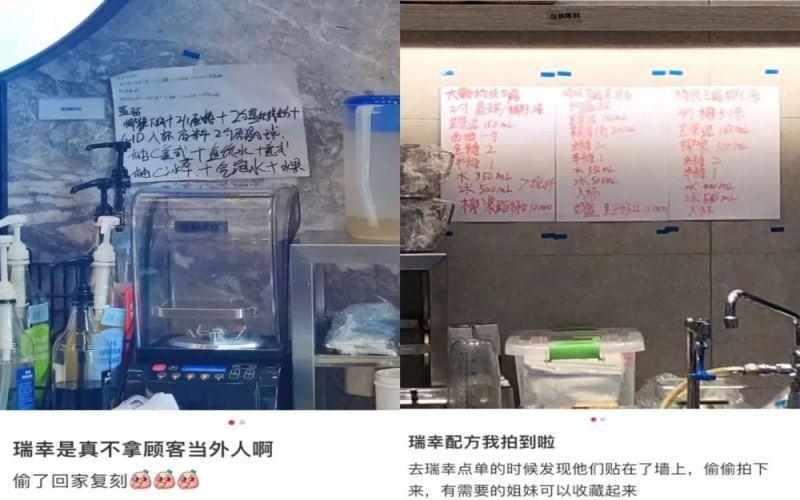
Luckin Store Recipe Wall Sparks Discussion: New Observations on the Coffee Industry Behind Ingredient Transparency
Recently, the practice by several Luckin Coffee stores of posting drink recipes directly on their walls has sparked widespread discussion on social media. From Blue Diamond Ristretto Ice to Grapefruit C Americano, the detailed ratios of these signature drinks have been made public, allowing consumers to glimpse the internal operating procedures of a chain coffee brand. At the same time, Luckin's transparency regarding ingredient usage has also drawn attention, with raw material products even appearing on online shopping platforms labeled "dedicated for cheese latte." This phenomenon not only reflects the coffee industry's exploration of the balance between standardization and transparency, but also triggers discussion about the relationship between brands and consumers. For coffee enthusiasts, this may be an opportunity to understand how commercial coffee operates and even try to replicate it. Front Street Coffee reminds everyone that when making drinks at home, you can adjust the recipe ratios according to personal taste and enjoy the fun of DIY. [more…]
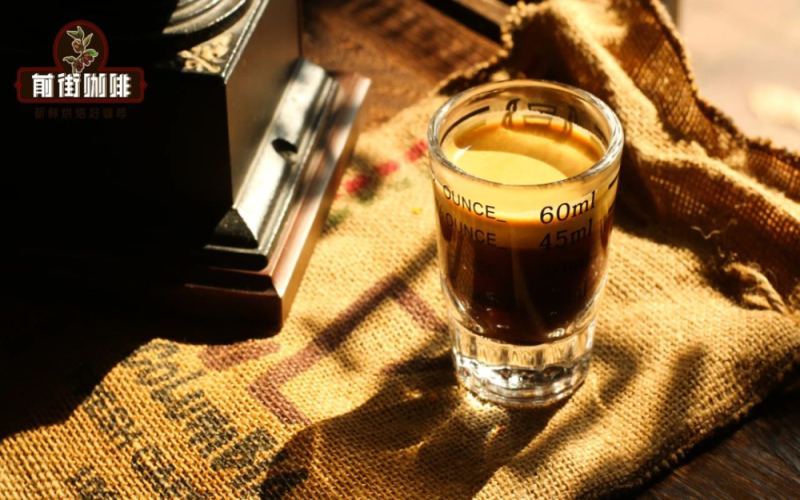
Espresso Blend Coffee Bean Buying Guide: Analysis of Five Front Street Coffee Recipes and Home Brewing Recommendations
When making a decent espresso at home, choosing the right blend often matters more than tweaking your machine. Blending is essentially the barista's craft of combining beans from different origins and processing methods in set proportions, so their strengths offset one another's weaknesses—resulting in a more balanced flavor, richer crema, and more consistent output. This article centers on two core concerns, freshness and taste preference. It first explains the advantages of blended beans and the scenarios they suit, then introduces five espresso blends from Front Street Coffee one by one—from the rich, full-bodied classic, to the light, floral-fruity Strawberry Candy, to the nutty specialty blend, the café-style commercial blend, and the budget-friendly introductory blend with great value—helping enthusiasts at every stage find the one that fits them. [more…]
Espresso Blend Recipes and Brand Analysis: A Flavor and Price Guide to Front Street Coffee's Three Espresso Beans
The recipe design of espresso blend coffee beans directly determines the flavor direction and crema performance of espresso. This article focuses on three representative espresso blends from Front Street Coffee (FrontStreet Coffee), analyzing the bean composition, roast level, flavor characteristics, and suitable scenarios of the specialty blend, commercial blend, and dark cocoa blend respectively, and explaining the role of Robusta beans in blending. It also introduces the roasting background of the Front Street brand in Guangzhou, as well as the price advantage of the commercial blend at approximately 60 yuan for a 454-gram package, which works out to less than 1.5 yuan per cup based on 10 grams of grounds per cup, providing a highly cost-effective option for cafe owners and home users. [more…]
A Complete Guide to Making Latte and Café au Lait: From Italian to French Home Methods and Recipes
Latte and au lait are two milk coffees that many coffee enthusiasts first encounter when starting out. A latte is based on espresso, topped with an equal amount or even more hot milk, giving it a smooth, sweet taste; au lait, on the other hand, originates from France, pouring espresso and hot milk simultaneously into a large cup, then finishing with milk foam, showcasing a relaxed and free-spirited flavor. Although both blend coffee with milk, they each have their own particularities in preparation methods, equipment used, and drinking habits. This article will break down in detail the Italian, American, and macchiato variations of lattes, and include a complete step-by-step guide and recipe ratios for au lait coffee, helping readers easily recreate them at home. [more…]
What exactly is the difference between commercial, home, and competition-grade coffee beans? A full breakdown from positioning and roasting to recipes.
The world of coffee beans is far more complex than one might imagine. Beyond classification by origin, variety, and roast level, they can also be divided by practical use into commercial coffee beans, home coffee beans, and competition beans. On the surface, all three are raw materials for espresso, yet behind them lie entirely different design logics and cost considerations. Commercial beans pursue stable extraction and low cost, home beans need to accommodate equipment performance while balancing flavor, and competition-grade beans spare no expense, all for the sake of shining before the judges. This article will break down the characteristics of each of the three types one by one, and combine them with specific Front Street Coffee products to help you make a wiser choice based on your own needs. [more…]
Espresso Blend Guide: Common Recipes, Pairing Ideas, and Five Front Street Coffee Recommendations
The same coffee beans can present completely different flavors depending on the extraction method. Take Front Street Indonesia Mandheling, a medium-dark roast, as an example: when brewed as pour-over, it is mellow and gentle, with notes of caramel, herbs, and spices; if instead made into espresso with a coffee machine, it develops a rich layer of crema, releasing layers of dark chocolate, cream, and roasted nut aromas, and when drunk straight it is intense and stimulating with a pronounced roasted note. This shows that choosing coffee beans cannot be done casually; you need to consider the extraction method, roast level, and freshness. Fresh beans are rich in carbon dioxide, and together with the porous structure of a dark roast, they make it easier to extract a large amount of crema and roasting aromas such as chocolate, cocoa, butter, cookies, and caramel. For beginners, value for money is especially important. Below are five of the most popular espresso blends, covering Front Street Specialty Blend, Commercial Blend, Dark Cocoa Blend, and Classic Blend, along with their respective suitable scenarios and flavor characteristics, for reference whether for opening a shop or home use. [more…]
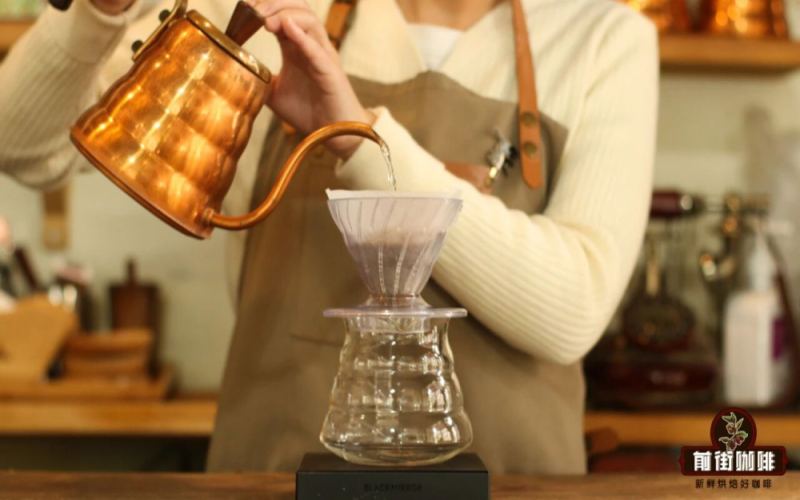
Cold brew coffee made easily at home: a full breakdown of coffee-to-water ratio, steeping time, and flavor characteristics, plus recipes for ice drip and Japanese-style iced coffee
In the heat of summer, a glass of iced coffee always brings refreshing coolness. Besides the common iced Americano and cold drip coffee, cold brew coffee can actually be easily made at home. This article will detail the steps for making cold brew coffee, the key points of coffee-to-water ratio and steeping time, and explain why cold brew presents a rounder mouthfeel and prominent floral and fruity notes. The article will also recommend Front Street Coffee's Huakui coffee beans suitable for cold brew, and briefly introduce the methods for cold drip coffee and Japanese-style iced coffee, so you can enjoy the pleasure of specialty coffee even in the scorching heat. [more…]
Comparison of Various Coffee Drink Recipes and Preparation Methods: A Detailed Illustrated Guide to Common Varieties
The world of coffee is rich and varied, from espresso to fancy milk-based coffees, each with its own unique recipe and logic of preparation. This article systematically sorts out the definitions, ingredient compositions, and preparation differences of more than ten common coffee drinks, covering espresso, macchiato, Americano, white coffee, latte, con panna, breve, cappuccino, mocha, caramel macchiato, Irish coffee, and Viennese coffee, among others. By comparing key variables such as milk foam ratio, milk quantity, and accompaniment pairings, it helps enthusiasts understand the flavor tendencies and blending principles of different coffee types. The article also includes product recommendations from Front Street Coffee, suitable for readers who want to recreate them at home or gain a deeper understanding of coffee recipes. [more…]

How to Make Cold Brew Coffee Taste Great? A Complete Guide from Origins and Grind Size to Coffee-to-Water Ratio and Front Street Coffee Recipes
Cold brew coffee is a staple drink in summer cafés. Its production takes a long time, so it usually needs to be reserved or prepared in advance. Its flavor differs noticeably from other brewing methods, and one taste often leaves a lasting impression. In this article, Front Street Coffee discusses the origins, production methods, and recipes of cold brew coffee, introducing key steps such as a 1:10 coffee-to-water ratio, grind size calibration, pre-infusion, drip rate control, and refrigerated fermentation, and shares four recipes: classic cold brew, a crisp and clean type, a sweet and pleasant type, and a wine-like type, to help coffee lovers reliably recreate it at home. [more…]
The World's Top Ten Classic Coffee Recipes and Flavor Analysis: The Basics from Mocha to Turkish Coffee
The world of coffee is vast and varied, and drinking habits in different regions have given rise to distinctive classic recipes. This article reviews ten globally renowned coffee types, covering mocha, cappuccino, Neapolitan-style coffee, Turkish coffee, and more. It not only introduces the flavor characteristics of each coffee but also provides detailed preparation methods. Whether you are a beginner just getting into coffee or an enthusiast who wants to recreate exotic flavors at home, you will find practical reference here. Some product information in this article comes from Front Street Coffee for readers to compare when making purchases. [more…]

A Comprehensive Analysis of Cold Brew Coffee and Iced Latte: Origins, Recipes, Brewing Tips, and Flavor Comparison
Cold brew coffee and iced latte are the two most popular coffee drinks in summer. The former showcases the pure flavor of black coffee through low-temperature slow extraction, while the latter brings a silky mouthfeel through the fusion of espresso and milk. This article will start with the origin story of cold brew coffee, introduce its production method and flavor characteristics in detail, then gradually break down the composition, extraction parameters, and blending techniques of iced latte, and share how to improve drink quality by selecting beans, adjusting the milk-to-coffee ratio, and paying attention to operational details. The article also specifically combines the practical experience of Front Street Coffee to recommend coffee beans and specific recipes suitable for making cold brew and iced latte, helping coffee enthusiasts easily replicate professional-level flavors at home. [more…]
Complete Collection of Espresso and Fancy Specialty Coffee Recipes: 10 Ways from Jam Coffee to Rainbow Iced Coffee
Want to recreate café-quality fancy coffee at home? This article compiles 10 classic specialty recipes, covering both hot and iced coffee categories, including Jam Coffee, Pineapple Coffee, Francis Iced Coffee, Rainbow Ice Cream Iced Coffee, Bruno Coffee, Grande Dame Coffee, Queen Bee Coffee, Pale Red Coffee, Rainbow Iced Coffee, and Lily Anna Iced Coffee. Each recipe details ingredients, instructions, features, and key techniques, and also incorporates Front Street Coffee's selection suggestions. Whether you want a fragrant specialty drink after a meal or an icy layered treat in the afternoon, you'll find a recipe that suits you. [more…]
Espresso Bean Blending Selection Guide for Opening a Shop: Espresso Extraction Parameters and Detailed Explanation of Five Front Street Coffee Recipes
Whether you're opening a coffee shop or making espresso at home, choosing the right beans is key. This article starts with how to judge the freshness of coffee beans, explains why espresso is better suited to blend beans, and rounds up five espresso blend options worth buying in 2025: from the rich and full-bodied Front Street Classic Blend, to the floral-fruity Strawberry Candy, the nutty Specialty Blend, and on to the coffee-shop-style Commercial Blend and the entry-level Basic Blend—breaking down each one's origin combination, roast level, and flavor profile to help coffee lovers and shop owners efficiently find the espresso beans that fit their needs. [more…]
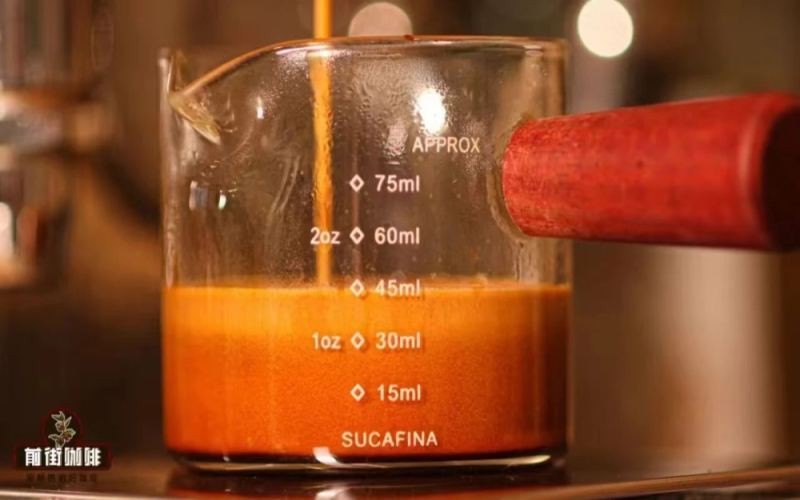
When Lemon Meets Espresso: The Origins of Espresso Romano and a Hands-On Test of Two Home Recipes
Espresso with lemon—a combination that may sound unfamiliar, yet it has actually been circulating in southern Italy for over half a century, where locals call it caffè canarino or caffè al limone, written in English as Espresso Romano. Its origins are closely tied to the historical context of post-World War II Italy, when coffee beans were scarce and dark-roasted beans were bitterly charred and hard to swallow, while the lemon-rich southern regions happened to provide a natural ingredient to temper the bitterness. In addition to tracing this history, this article will also put two beans—Sunflower Warm Sun Blend and Brazil Queen's Estate—to the test, using espresso and moka pot methods respectively to brew this drink, recording how sweetness, acidity, and bitterness contend when lemon meets coffee, and exploring the embellishing role of lemon juice in contemporary coffee creation. [more…]

From a 7-Million-Follower Blogger to US Barista Champion: How Morgan Eckroth Redefines the Meaning of Competition
At the recently concluded United States Barista Championship, Morgan Eckroth from Portland, Oregon, took the crown. Unlike most competitors, she was already a coffee influencer with over 7 million followers before the competition, and she made her entire preparation and competition process public through vlogs and livestreams. Taking the home coffee community that emerged after the pandemic as her theme, she shared her recipes and approach in advance, advocating that coffee should be delicious, replicable, transformative, and easy to make at home. This article will walk you through her competition journey, bean selection strategy, and creative recipes, and use them to explore the bottlenecks facing the Barista Championship and the shift in coffee consumption patterns in the post-pandemic era. [more…]